
The short answer
- The count starts with the people using the restrooms and the hours they remain on site.
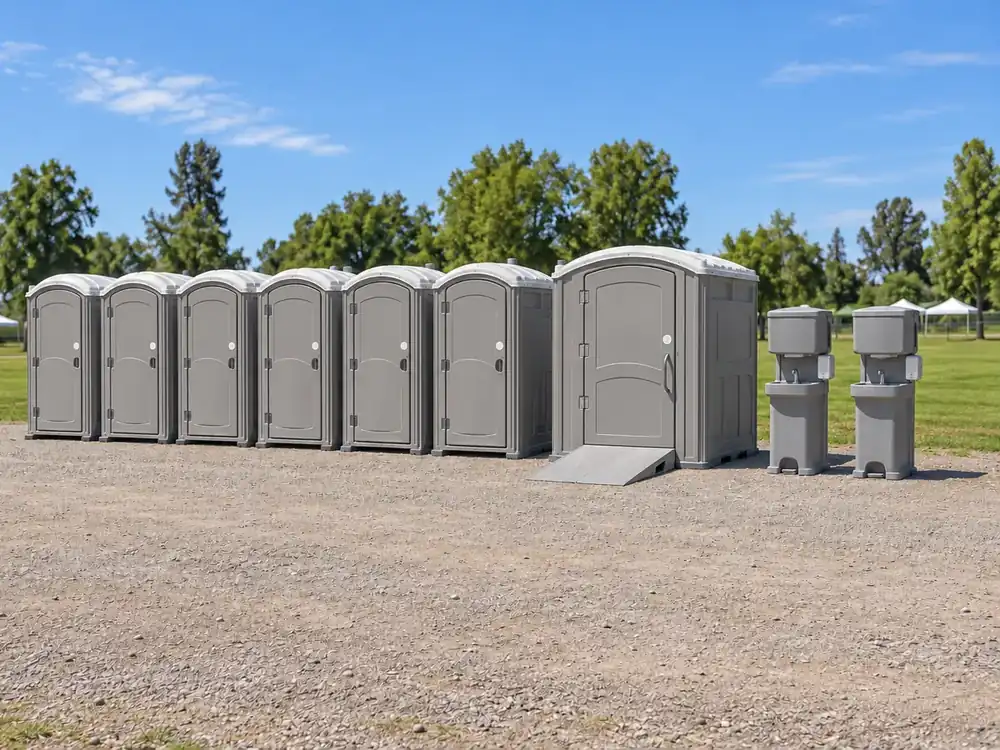
- The unit mix depends on accessible routes, existing restrooms and the placement of wash stands beside the toilets.
- Food, drink and shared breaks shape peak demand, while service access helps determine the plan for continued use.
Planning Quantities Through the Rental
Delivery Starts With People, Hours and Placement
Restroom quantities depend on headcount, time on site and how people use the space. Call to discuss a tract-lot crew, orchard work or an outdoor celebration in Modesto. Share the dates, expected attendance and whether usable permanent restrooms are part of the plan. With attendance, time on site and food or beverage plans established, your service pro determines how many units are needed.
Plan the unit mix alongside the delivery route. Identify firm, level ground away from traffic, equipment, irrigation runoff and overhead lines. Leave a clear approach for delivery and service trucks, room for doors to open and space for a wash stand beside the units. A distant corner that fits the toilets may still create an awkward walk or block service access.
Job Sites and Field Crews Start With Their Work
Portable toilets for construction sites need planning around the workforce and the work area. Discuss overlapping trades, shared breaks and changes as a remodel or tract lot progresses. Cal/OSHA section 1526 says that where there are fewer than five employees, a single-user toilet facility designated for all-gender use is sufficient. The same construction toilet rule sets other requirements for larger crews and facility arrangements; the small-crew exception is not an event formula.
An orchard or farm crew needs a placement plan that follows the active work area. For agricultural hand-labor operations covered by its provisions, Cal/OSHA section 3457 requires a handwashing facility for each twenty employees or fraction thereof. The field sanitation rule also places toilet and handwashing facilities close together and sets walking-access requirements. Describe where the crew will work during the rental so your service pro can address placement and any arranged moves.
Parties, Weddings and Festivals Need Peak-Use Planning
Guest restroom planning needs the busiest period as well as total attendance. For a quinceanera or backyard party, describe when guests arrive, how long they stay and which household restrooms remain available. Discuss handwashing and an accessible unit while selecting the mix.
A portable toilet for a wedding belongs in the venue layout early enough to preserve a usable guest route. When arranging portable toilets for a wedding reception, include venue staff and the hours after the ceremony. Portable toilets for outdoor weddings also need placement that keeps the waiting area clear of the ceremony entrance and dining paths. Discuss accessibility from the guest arrival area through the restroom entrance; ADA Standards section 213.2 addresses clustered portable toilet facilities.
A county fair, festival or youth sports league may have concentrated demand between activities. Explain the event schedule, food and drink service, and whether guests spread across separate activity areas. Your service pro uses those details to discuss quantities and placement.
| Situation | Quantity planning | Placement and service planning |
|---|---|---|
| Tract-lot or remodel crew | Which trades overlap and share breaks? | Will construction change the truck approach? |
| Orchard or field crew | How does the working crew change during the rental? | Where will the active work area shift? |
| Backyard party | How long will guests stay? | Where can the wash stand sit beside the units? |
| Ranch or barn wedding | Who uses the facilities through the reception? | Is the guest approach usable throughout the gathering? |
| Fair or sports event | When do activities release people together? | Can waiting guests stay clear of service access? |
Use and Service Visits Follow Actual Demand
Service visits need a plan based on use and continued access. Discuss the proposed visit frequency with your service pro, including shared breaks, extended event hours and changes in attendance. Report growing lines or a unit taken out of use so the rental plan can be reviewed. Service visits are arranged by your service pro.
Keep every unit upright and resting on its base where it was delivered, with no one getting onto it. Leave waste handling and pumping to your service pro; report a problem by phone and keep people away from an unstable unit.
Pick-Up Needs the Route Kept Open
Pick-up planning starts with the final use date and a clear truck route. Keep parked vehicles and event materials out of the agreed approach. One of our local portable restroom partners explains how quantities, unit types, access and service visits affect the scope and price before the rental is arranged.